International LNG Congress Amsterdam 2027
1–2 March 2027
Van der Valk Hotel Schiphol, Amsterdam, the Netherlands
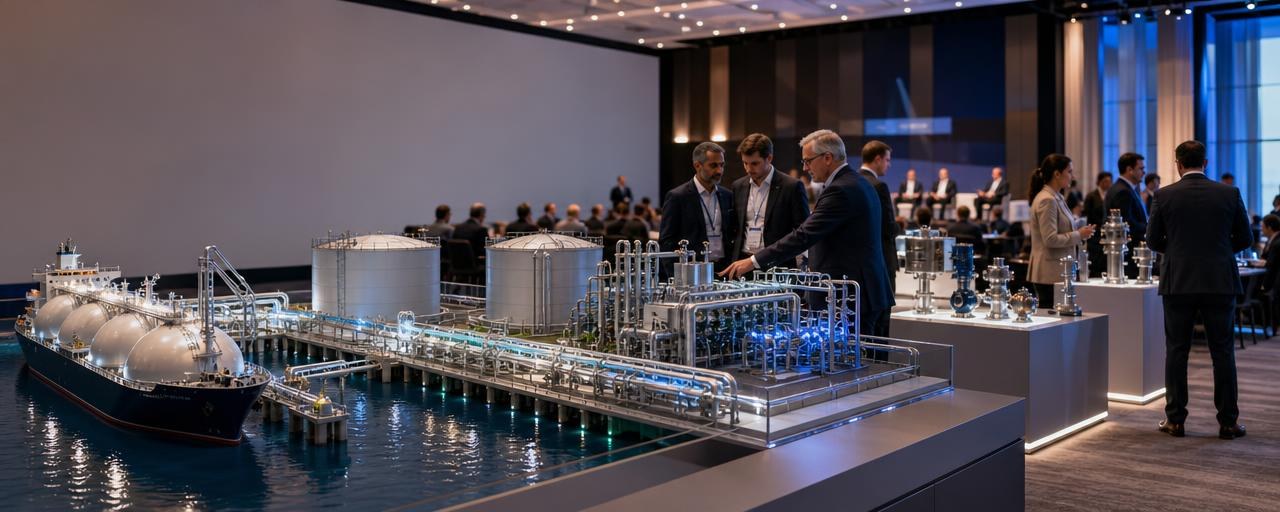
The 13th International LNG Congress is a specialist business congress for the global liquefied natural gas value chain. It combines a two-day business programme, technical discussion, networking and a focused exhibition of LNG technologies. Its scope spans LNG market development, terminals and floating storage and regasification units (FSRUs), shipping, road transport, cryogenic engineering, operational performance and lower-carbon gaseous fuels. The format is intended for senior decision-makers and technical specialists who want to exchange current project experience, assess technologies and develop commercial cooperation.
International LNG Congress at a glance
| Item | Information |
|---|
| Event | International LNG Congress Amsterdam |
| Official edition name | 13th International LNG Congress |
| Edition | 13th |
| Format | International B2B congress with a focused technology exhibition |
| Dates | 1–2 March 2027 |
| Event city | Amsterdam, the Netherlands |
| Venue | Van der Valk Hotel Schiphol, Rijksweg A4 No. 3, Haarlemmermeer |
| Organiser | BGS Group |
| Main subjects | LNG markets, terminals and FSRUs, marine and road applications, cryogenic and engineering technologies, operations, Bio-LNG, hydrogen and synthetic LNG |
| Core participants | Gas-company executives, project and technical leaders, EPCs, shipping and terminal operators, technology providers and service companies |
| Programme | Two-day business programme; the official programme highlights more than 20 hours of networking, cases and discussion |
The organiser has published the 2027 dates, venue, audience and programme themes. Confirm detailed session timings and participation terms with BGS Group before making travel or business commitments.
Why International LNG Congress matters
Connect market questions with project decisions
LNG projects depend on coordinated decisions across supply, shipping, terminals, regasification, transport and end use. The congress brings commercial, policy and technical subjects into one programme, allowing participants to consider how market developments affect active or planned projects.
Exchange applied technical experience
The 2027 programme identifies terminal and FSRU developments, road transport, marine applications and operational excellence as areas for discussion. Technical professionals can compare project approaches and bring questions about performance, engineering, integration and implementation to conversations with peers.
Explore the energy-transition interface
Bio-LNG, hydrogen and synthetic LNG appear in the programme’s future-fuels theme. For companies assessing changing fuel pathways, this creates a focused setting to examine technologies and project assumptions alongside the established LNG value chain.
International LNG Congress sectors and technology groups
The categories below organise the congress’s published themes and technology-showcase focus; they are not a promise that every listed product will be exhibited.
LNG terminals and FSRUs
- Onshore LNG import and export terminal systems
- Floating storage and regasification units
- Ship-to-shore transfer and loading systems
- Storage, regasification and send-out infrastructure
LNG shipping and marine applications
- LNG carrier operations and vessel systems
- Marine fuel storage and supply arrangements
- LNG bunkering and ship-to-ship transfer
- Port, terminal and shipping interfaces
Road transport and fuelling infrastructure
- LNG-powered heavy goods vehicles and fleet applications
- Road-fuelling stations and supply equipment
- Fuel storage, transfer and dispensing systems
- Fleet operations and infrastructure development
Cryogenic engineering and equipment
- Cryogenic pumps, valves and fluid-handling equipment
- Insulated tanks, piping and transfer components
- Measurement, monitoring and control systems
- Engineering design, safety and equipment integration
Terminal operations and engineering projects
- Process design and engineering, procurement and construction
- Commissioning, maintenance and operational excellence
- Terminal automation and digital control technologies
- Project development, infrastructure investment and delivery
Bio-LNG, hydrogen and synthetic LNG
- Bio-LNG production and supply-chain interfaces
- Hydrogen technologies and infrastructure considerations
- Synthetic methane and power-to-gas pathways
- Decarbonisation options for gas and transport applications
Who should visit International LNG Congress?
Gas majors, LNG operators and local gas companies
Useful if your organisation is evaluating supply, commercial strategy, investment or project development. Prioritise the market-evolution, terminal and FSRU discussions, and arrive with a defined question about a project, geography or commercial relationship you want to assess.
EPCs, engineering companies and project developers
Useful if you design, build or develop LNG infrastructure. Compare project approaches and technical case studies, and prepare specific questions on engineering scope, delivery interfaces, operating requirements and the capabilities needed for upcoming work.
Shipping, port, terminal and transport operators
Useful if your work connects LNG carriers, import terminals, marine fuel, road fleets or fuelling infrastructure. Focus on the marine and road-transport themes and identify where infrastructure, operating practices or commercial partnerships need to align.
Technology, equipment and service providers
Useful if you supply cryogenic equipment, engineering systems, terminal technologies or LNG-related services. The organiser lists delegate, speaker, exhibitor and sponsor participation formats; choose the one that matches your business objective and verify its terms with the organiser.
Roles likely to benefit
- Managing directors, commercial directors and investment or planning leaders
- Project directors, project managers and infrastructure developers
- Technical directors, chief engineers and gas-technology specialists
- Terminal, port, shipping and fleet operations managers
- Sales directors, branch managers and business-development leaders
- IT and systems professionals working in LNG or gas companies
Why visit International LNG Congress?
- Test a market or project assumption: compare perspectives on LNG market evolution, supply routes and new applications with professionals working across the value chain.
- Evaluate terminal and FSRU approaches: use the programme’s infrastructure focus to identify design, delivery and operational questions relevant to your project.
- Compare technical priorities: discuss cryogenic engineering, terminal systems and operational excellence with technical peers and technology providers.
- Assess transport applications: examine the commercial and infrastructure considerations around LNG in road transport and marine use.
- Explore lower-carbon fuel pathways: use the Bio-LNG, hydrogen and synthetic LNG theme to clarify which technologies warrant further evaluation.
- Develop relevant relationships: set meetings around a defined project, supplier need, partnership or investment objective rather than relying on unplanned networking.
Why exhibit or contribute to International LNG Congress?
Manufacturers, engineering firms, technology providers and service companies may consider participating when they have a clear LNG-related solution, project case study or partnership objective. The organiser lists delegate, speaker, exhibitor and sponsor formats, as well as media-partner and accreditation routes. The congress’s B2B focus and published participant mix make it relevant to companies seeking discussion with LNG operators, EPCs, shipping, infrastructure developers and gas-technology specialists; no specific buyer meetings or commercial outcomes are guaranteed.
Before committing, define the audience and outcome you need, confirm the format’s eligibility and terms, and ask the organiser how the format supports your objective. International companies should also assess local representation, technical support, compliance obligations, project timing and follow-up capacity. ilikevents can help exhibitors plan participation, coordinate registration, consider stand options and identify potential distributors or business-meeting priorities.
International LNG Congress programme and discussion themes
The 2027 programme is a two-day business programme and highlights more than 20 hours of networking, cases and discussion. Published themes include LNG market evolution; terminals and FSRUs; LNG in road transport; operational excellence for infrastructure; Bio-LNG, hydrogen and synthetic LNG; maritime applications; engineering technologies and case studies; and market trends and energy security. The organiser also lists a gala dinner as an additional networking opportunity for congress attendees. Use the official programme to confirm session titles, speakers and timings as your visit approaches.
How to prepare before International LNG Congress
1. Set a business question
Choose a priority: assess a project, find a technology or service provider, develop a shipping or terminal relationship, evaluate an alternative fuel pathway, or present a case study. Turn it into two or three questions you can answer during the congress.
2. Build a focused participant and meeting list
Review the organiser’s confirmed-participant information and identify organisations relevant to your objective. Separate essential conversations from useful and optional ones. Request meetings through the organiser’s available process and confirm arrangements directly; the event page does not establish that any particular meeting is guaranteed.
3. Prepare LNG-specific questions
- Which project stage, geography and operating conditions does the solution address?
- What capacity, feed-gas, storage or send-out assumptions does it require?
- How does the technology integrate with existing terminal, vessel or fleet systems?
- What commissioning, maintenance, spare-parts and technical-support arrangements are available?
- Which safety, emissions measurement and reporting requirements apply?
- For marine or road use, what supply, refuelling and operating interfaces must be in place?
- For Bio-LNG, hydrogen or synthetic LNG, what feedstock, energy, infrastructure and certification assumptions matter?
- What project evidence, operating data or references can the supplier provide?
4. Confirm participation and travel details
Check the registration or participation format, access arrangements, programme updates and any invitation requirements with BGS Group. Confirm the hotel’s current shuttle and public-transport arrangements before travelling.
How to make the most of the congress
Use the programme to prioritise the terminal, transport, engineering and fuel-transition discussions that match your goals. At the focus exhibition, record each relevant company or solution using a simple sequence: Company → technology or service → project fit → evidence to request → next action. For example, if a cryogenic equipment supplier appears relevant, note the operating context, integration questions, service coverage and information needed for a technical review. Keep commercial conversations specific and record who owns each follow-up.
Use networking deliberately
Prepare a concise introduction that explains your organisation, LNG focus and current project or sourcing need. Ask what the other participant is responsible for, what project stage they are addressing and what information would make a follow-up useful. The official programme highlights networking breaks and a gala dinner for attendees; confirm the current schedule and any pass conditions with the organiser.
International LNG Congress visitor profile and business opportunities
| Visitor profile | Potential focus at the congress |
|---|
| Gas-company executives | Market evolution, investment priorities, supply strategy and partnerships |
| Commercial and business-development leaders | Project relationships, business aims and relevant participation formats |
| Project directors and EPC teams | Terminal and FSRU projects, engineering cases and delivery interfaces |
| Technical directors and chief engineers | Cryogenic systems, operational excellence and technical case studies |
| Shipping and port professionals | LNG carrier, marine application and bunkering interfaces |
| Road-fleet and fuelling specialists | LNG transport applications and related infrastructure |
| Technology and equipment providers | Showcase solutions, contribute expertise and evaluate commercial partners |
Travelling to International LNG Congress
The congress venue is Van der Valk Hotel Schiphol, in Haarlemmermeer near Schiphol Airport and marketed by the organiser as Amsterdam. The hotel’s travel directions say rail travellers can reach Schiphol Airport and use the hotel’s free shuttle from bus stops A9–A13 in front of the arrivals hall. The hotel also identifies Qbuzz routes 361 and 365, stopping at “Hoofddorp Brugrestaurant A4”. Check the hotel’s current shuttle timetable and local transport information before departure; these are hotel transport details, not a congress-operated service.
Practical information for international visitors
| Item | Verified information |
|---|
| Airport access | Schiphol Airport is the airport named in the venue hotel’s directions; rail access to the airport is referenced by the hotel. |
| Hotel shuttle | The hotel states that a free shuttle leaves from stops A9–A13 in front of the arrivals hall; confirm the current timetable directly with the hotel. |
| Public transport | The hotel lists Qbuzz bus routes 361 and 365 for the Hoofddorp Brugrestaurant A4 stop. |
| Venue location | Rijksweg A4 No. 3, Haarlemmermeer, Netherlands; the event is marketed as taking place in Amsterdam. |
Arrange registration, accommodation, transportation and any travel documentation before departure. Entry requirements depend on your nationality and circumstances.
One day or both days at International LNG Congress?
One day may suit you if your objective is narrow and you have confirmed the relevant sessions or meetings. Prioritise the programme and reserve time for follow-up conversations rather than trying to cover every topic.
Both days may be more useful if you need to combine market, infrastructure and technical themes, meet several participant groups, or take part in the full programme and networking. Confirm the published schedule and participation arrangements before planning.
After International LNG Congress: turn discussion into decisions
Within a few days, sort contacts into immediate, potential and market-intelligence follow-up. For suppliers, request the technical documentation, operating references, integration requirements, service arrangements and commercial information needed for evaluation. For project or investment discussions, document assumptions, responsibilities, decision dates and the next information exchange. For fuel-transition topics, record what evidence is needed on feedstock, emissions, infrastructure and certification before progressing. Share a concise recap with colleagues and assign an owner and date to every next action.
International LNG Congress visitor checklist
Before
- ☐ Define one or two LNG business or technical objectives.
- ☐ Review the current programme and confirmed participant information.
- ☐ Prioritise meetings and prepare project-specific questions.
- ☐ Confirm registration, participation format and travel requirements.
- ☐ Check the hotel shuttle and local transport timetable.
During
- ☐ Match sessions and conversations to your stated objectives.
- ☐ Record the solution, project fit, evidence needed and next action.
- ☐ Confirm follow-up owners and appropriate contact details.
After
- ☐ Send tailored follow-ups and request missing technical information.
- ☐ Compare suppliers or project options against consistent criteria.
- ☐ Assign internal owners and decision dates for each opportunity.
Is International LNG Congress worth attending?
It is most relevant to professionals with a defined role in LNG markets, infrastructure, shipping, transport, engineering, operations or related technology supply. The published programme spans commercial, technical and energy-transition topics, while the focused exhibition and networking create opportunities to compare perspectives and develop relevant conversations. The value of a short, closed-door B2B congress depends on selecting the right sessions and participants in advance, then following up with specific project or sourcing questions.
Make your International LNG Congress visit purposeful
What project, technology or commercial relationship do you want to assess through direct discussion with LNG professionals? Set that objective before you arrive, then use the congress to discover, compare, meet and decide.
LNG opportunities in the Netherlands
Market size and demand
Statistics Netherlands reported that the Netherlands consumed 30 billion cubic metres of natural gas in 2024, approximately unchanged from 2023. That is a national gas-consumption measure, not LNG market revenue. The same statistical release says 14.4 billion cubic metres of LNG imports came from the United States in 2024, representing 68% of imported LNG. LNG imports overall fell by 8.2 billion cubic metres compared with 2023, so the data indicate a substantial but changing import flow rather than a simple growth story.
- National natural-gas consumption: 30 billion cubic metres in 2024, approximately level year on year.
- LNG imported from the United States: 14.4 billion cubic metres in 2024, 68% of the Netherlands’ LNG imports.
- Change in total LNG imports: down 8.2 billion cubic metres in 2024 versus 2023, according to Statistics Netherlands.
- EemsEnergyTerminal supply capacity: approximately 8 billion cubic metres of natural gas per year; Gasunie says the terminal has operated since September 2022.
Market drivers and commercial opportunities
Gas demand from industry remained material in 2024: industrial natural-gas consumption rose by 9% to 11.108 billion cubic metres, with refineries and chemicals contributing to the increase. At the same time, power-sector gas use declined as wind and solar generation increased. These different demand patterns make the Netherlands relevant for LNG businesses assessing industrial supply, flexible infrastructure and the changing role of gas in the energy system.
- Terminal and regasification technology: operating import infrastructure and the EemsEnergyTerminal’s stated capacity create a setting to investigate equipment, maintenance and operational-performance needs; project timing and capacity allocation remain commercial constraints.
- Shipping and terminal interfaces: the import role supports evaluation of carrier, transfer, storage and port-related technologies; opportunities depend on procurement and terminal requirements.
- Industrial gas applications: the 2024 industrial-consumption increase points to continued gas use in industry, including refineries and chemicals, but is not evidence of demand for any specific supplier’s product.
- Lower-carbon gas and methane management: Bio-LNG, hydrogen and synthetic LNG are programme themes, while EU methane rules make emissions measurement and reporting relevant to companies operating in or supplying the market.
Regulations and market-entry conditions
The European Commission states that the EU Methane Regulation (EU/2024/1787) entered into force on 4 August 2024 and establishes measurement, reporting, verification and leak-repair obligations for the energy sector, with requirements for importers phased in over time. On 19 November 2026, EU co-legislators reached a provisional agreement to postpone certain importer and operator requirements; formal adoption was still required when the Commission page was checked. LNG suppliers should verify the current rules and their applicability before contracting or shipping.
What this means for exhibitors
Equipment suppliers, engineering firms, terminal-service providers and methane-monitoring specialists could use the Netherlands’ import infrastructure and industrial gas use to identify relevant project questions and potential customer requirements. The 2024 import data are an indicator of trade flows, not proof of open procurement or guaranteed demand; investigate capacity, contracting, technical standards and EU compliance needs before committing resources.
What this means for visitors
Visitors can use the congress to compare terminal, shipping, cryogenic and emissions-management solutions against a market with established LNG imports and changing flows. Buyers and project teams may want to distinguish immediate operating needs from longer-term transition projects, and verify current capacity, regulatory obligations and procurement routes directly with relevant organisations.
Explore Event Opportunities
Use International LNG Congress Amsterdam to assess LNG technologies, project priorities and relevant business relationships. ilikevents can help you plan a focused visit or evaluate an exhibitor participation plan.
Get Expert Assistance from ilikevents to prepare your next step.
See the ilikevents services for this event
For further information, please click
here .