China Import and Export Fair (Canton Fair) Phase 1
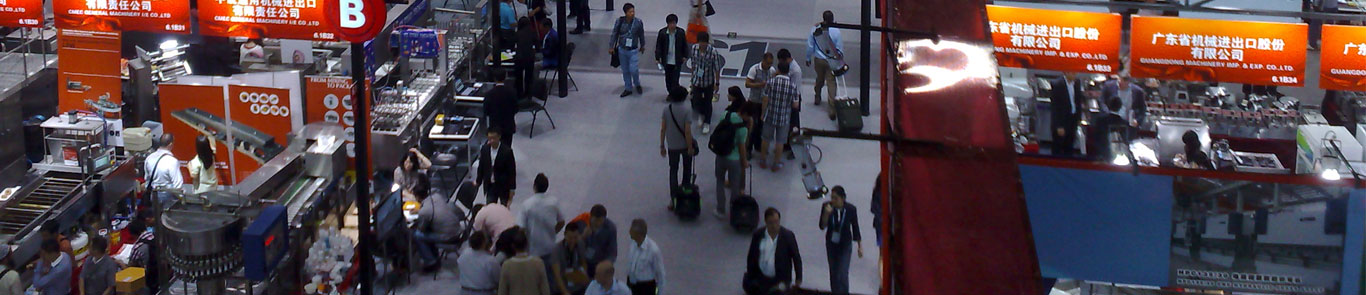
15–19 April 2027 at the China Import and Export Fair Complex, Guangzhou, China. The 141st Canton Fair’s Phase 1 is presented as Advanced Manufacturing. It is the manufacturing-focused part of a broad international trade event, with the organiser’s current site grouping fair products across electronics and appliances, manufacturing, vehicles and two-wheelers, light and electrical products, hardware and tools, among other categories. For buyers, engineers and exhibitors, the value lies in turning that breadth into a focused comparison of products, suppliers and technical fit.
Canton Fair Phase 1 2027 at a glance
| Item | Information |
|---|
| Event | China Import and Export Fair (Canton Fair), Phase 1 |
| Edition | 141st Canton Fair |
| Phase theme | Advanced Manufacturing |
| Event type | International trade fair |
| Dates | 15–19 April 2027 |
| City and country | Guangzhou, China |
| Venue | China Import and Export Fair Complex |
| Organiser | China Foreign Trade Centre; co-hosted by the Ministry of Commerce of the People’s Republic of China and the People’s Government of Guangdong Province |
| Core focus | Advanced manufacturing, with related electronics, electrical products, vehicles and two-wheelers, lighting, hardware and tools |
| Best suited to | Industrial buyers, importers and distributors, manufacturers, engineers, procurement teams and product specialists |
The 2027 schedule and Phase 1 theme are published. Visitor hours, detailed product allocations and the full 2027 participant programme should be checked in the organiser’s latest information before travel.
Why Canton Fair Phase 1 matters
Compare connected manufacturing categories
Phase 1’s advanced-manufacturing focus sits within a fair whose official product navigation spans several technology and equipment groups. This breadth can help a sourcing team review adjacent requirements in one visit—for example, how a machine, its electrical controls and its production inputs fit together. The benefit is strongest when you arrive with a shortlist and a consistent set of questions.
Evaluate suppliers against a real specification
A product display is a starting point, not a procurement decision. Use conversations to compare operating requirements, materials, controls, documentation, service arrangements, minimum order quantities and lead times. Buyers can separate a promising product from a suitable supplier by recording what is demonstrated, what is documented and what still needs written confirmation.
Explore industrial activity in context
National statistics for 2025 showed output increases for several industrial products, including industrial robots, motor vehicles and power-generation equipment. These are production indicators, not proof of demand for a particular product or supplier. They provide useful context for questions that visitors can investigate through direct product and capability comparisons.
Exhibition sectors and product groups at Canton Fair Phase 1
The organiser describes Phase 1 as Advanced Manufacturing. Its current homepage also presents product categories including electronics and appliances, manufacturing, vehicles and two-wheelers, light and electrical products, and hardware and tools. The headings below translate those broad categories into practical comparison areas; confirm the detailed 2027 product allocation in the organiser’s current catalogue.
Industrial manufacturing and machinery
- Production machinery and equipment suited to your process
- Automation equipment and control systems
- Industrial components and accessories
- Processing equipment and production-line modules
- Measuring and inspection instruments
- Capacity, cycle time, maintenance and operator requirements
Electronics and electrical engineering
- Electronic and electrical products for industrial or commercial use
- Power supply and distribution equipment
- Control, monitoring and automation components
- Communications and computer-related products
- Safety, compatibility and certification documentation
- Integration requirements and after-sales support
Vehicles and two-wheel products
- Vehicles and mobility products relevant to your market
- Motorcycle and bicycle categories
- Vehicle and two-wheel components
- Replacement parts and maintenance products
- Fitment, materials and technical specifications
- Warranty, supply continuity and service arrangements
Lighting and electrical products
- Lighting equipment and light sources
- Lighting fittings and system components
- Electrical equipment and accessories
- Controls and application-specific illumination systems
- Energy use, operating conditions and installation requirements
- Product testing and market-specific compliance documents
Hardware, tools and building-related products
- Professional hardware and hand tools
- Power tools and workshop equipment
- Building and decorative materials
- Kitchen, sanitary and bathroom equipment
- Surface, finish and durability options
- Packaging, spare parts and replenishment terms
Who should visit Canton Fair Phase 1?
Importers, distributors and sourcing companies
Useful if you are looking for:
- Manufacturers whose product range fits your existing customer base
- Suppliers that can meet your market’s technical and documentation requirements
- Alternative sources for machinery, electrical products or components
- Products that complement a current distribution portfolio
- Clear information about order quantities, lead times and after-sales support
Bring a defined product brief and compare suppliers against the same commercial and technical criteria.
Industrial buyers and procurement teams
Useful if you are looking for:
- Equipment options for a planned purchase or plant upgrade
- Comparable capacity, operating and maintenance information
- Suppliers able to answer detailed specification questions
- Components that work with existing systems and processes
- Evidence to support a shortlist for later technical review
Separate products that appear suitable from suppliers that have provided enough documentation for a purchase decision.
Manufacturers and engineering teams
Useful if you are looking for:
- Production equipment or automation options to investigate
- Components, controls or materials for a current engineering requirement
- Ideas for process improvement that can be evaluated against operating constraints
- Technical details to take back to design, maintenance and operations colleagues
- Potential suppliers for a project-specific review
Share non-confidential requirements and record follow-up questions for engineering validation.
Product companies and manufacturers considering exhibiting
Useful if you are looking for:
- A platform to present manufacturing products to international trade visitors
- Feedback on product positioning and market fit
- Potential distributors or commercial partners to assess
- Visibility among buyers interested in related product categories
- A structured way to plan participation and post-fair follow-up
Exhibiting is most effective when the target markets, priority products and desired next steps are defined before committing.
Technical specialists and product managers
Useful if you are looking for:
- Product design choices and operating specifications to compare
- Compatibility information for current systems
- Supplier documentation to share with internal reviewers
- Manufacturing capability information for a defined technical need
Relevant roles include procurement managers, import managers, engineers, operations and maintenance managers, product managers, business owners and distributor principals.
Why visit Canton Fair Phase 1?
- Build a qualified supplier shortlist. Compare manufacturers against a written brief rather than relying on a quick impression of a stand.
- Review technical alternatives. Ask comparable questions about operating conditions, materials, controls, capacity, maintenance and integration.
- Assess product-market fit. Check that specifications, documentation and service arrangements suit the market where you intend to sell or use the product.
- Investigate adjacent categories. Use the fair’s broad manufacturing scope to identify components or related equipment that may matter to the same project.
- Prepare a purchasing decision. Collect catalogues and written details, then compare total requirements—not only the displayed product.
- Explore distribution possibilities. Importers and product companies can discuss territory, channel fit and support needs without assuming a commercial agreement.
Why exhibit at Canton Fair Phase 1?
Manufacturers and suppliers of industrial machinery, electronic and electrical products, vehicle and two-wheel products, lighting, hardware and tools may consider the phase when their target buyers are international trade visitors. The official event is organised around international trade cooperation, but participation does not guarantee buyer meetings, orders or distribution agreements.
- Present a focused product range and explain where each product fits.
- Prepare concise technical sheets with specifications, options and operating requirements.
- Make it easy for buyers to understand manufacturing capability, order conditions and service coverage.
- Use conversations to qualify a prospect’s application, market and timing.
- Record questions that need a written response after the fair.
Before committing, verify the current organiser’s participation terms, stand options, registration deadlines and product-category rules. For market entry, assess applicable product standards, conformity documentation, import conditions, distribution and after-sales responsibilities for each target market. These requirements vary by product and destination and should be checked with qualified advisers.
What makes Canton Fair Phase 1 different?
Its defining feature is a dedicated Advanced Manufacturing phase within the China Import and Export Fair’s wide-ranging trade platform. The official homepage identifies the fair’s product navigation as 13 categories and 54 exhibition sections overall, with categories spanning electronics and appliances, manufacturing, vehicles and two-wheelers, light and electrical products, hardware and tools, and other consumer and industrial groups. Phase 1 is the part specifically labelled Advanced Manufacturing. That distinction helps visitors select a relevant phase, while the broad fair context makes it important to verify which product sections and suppliers are scheduled for the 2027 phase before planning meetings.
What should you try to achieve at Canton Fair Phase 1?
If you are a buyer or importer
Set an objective such as: Identify a shortlist of suppliers for the three product requirements in my sourcing brief and collect comparable specifications from each.
If you are an engineer or technical manager
Set an objective such as: Find equipment or components worth a technical review and document the operating, integration and maintenance questions still to be answered.
If you are an exhibitor
Set an objective such as: Present the products most relevant to my target markets, record qualified enquiries and assign a clear follow-up action to each one.
Define success as better-informed decisions, qualified contacts and useful next steps—not simply the number of stands visited.
How to prepare before Canton Fair Phase 1
1. Turn your purpose into a brief
Write down what you need to buy, sell, compare or learn. For equipment, include the application, required capacity, operating conditions, available utilities, space constraints and the systems it must work with. For components, note materials, dimensions, performance requirements and relevant approvals.
2. Organise a target list
Use the organiser’s current product search and participant information, where available, to identify relevant categories and companies. The homepage provides product search functionality; confirm the latest 2027 catalogue and directory coverage before assuming that a company or product is listed.
3. Prioritise meetings
Sort targets into three groups: A — must discuss for direct matches to a current project; B — useful to compare for credible alternatives or adjacent products; and C — explore if time allows for broader market learning. Keep time for unplanned but relevant discoveries.
4. Prepare comparable questions
- What application and operating conditions is the product designed for?
- Which specifications and test documents can the supplier provide?
- What customisation is available, and what does it change in cost or lead time?
- What are the minimum order quantity and standard production lead time?
- Which spare parts, consumables and maintenance support are available?
- How does the product integrate with existing controls, equipment or systems?
- Which product standards or certifications apply in my destination market?
- What warranty, installation guidance and after-sales support are offered?
- What packaging, shipping and delivery terms can be quoted?
- Who will provide the written follow-up and by when?
5. Agree internal decision criteria
Before the visit, decide how your team will compare price, lifecycle cost, performance, compliance, service, supply continuity and implementation risk. This makes supplier discussions more consistent and helps colleagues assess the same evidence afterwards.
How to make the most of the exhibition
Do not collect catalogues without a decision attached. For every useful conversation, record:
Company → Product → Application → Evidence received → Open question → Next action
For example, a machinery buyer might record the required process, stated capacity, operating conditions, maintenance needs, available technical documents and the date for a written quotation. Mark statements that are verbal only and request confirmation before relying on them. Compare like with like, and keep products requiring a specialist review on a separate shortlist.
Use the organiser’s current product-search or visitor tools when they are available for the 2027 edition. Confirm the actual functions and coverage in advance rather than assuming that an app, matchmaking service or exhibitor directory offers a particular feature.
Canton Fair Phase 1 visitor profile and business opportunities
| Visitor profile | Potential focus |
|---|
| Importers and distributors | Product fit, supplier capability, market documentation, order terms and local support |
| Industrial procurement teams | Specifications, lifecycle needs, capacity, price structure and delivery requirements |
| Manufacturing owners and managers | Equipment choices, process requirements, implementation and service arrangements |
| Engineers and technical managers | Performance data, compatibility, controls, materials and maintenance |
| Product managers and brand owners | Range gaps, product options, supplier responsiveness and market positioning |
| Exhibitors and export teams | Product presentation, target-market fit, prospect qualification and follow-up |
These are practical audience roles for a manufacturing-focused trade phase. Use your own project requirements to decide which categories deserve the most time.
One day or several days at Canton Fair Phase 1?
One day
A focused day may work when you have a short target list, a defined product requirement and meetings arranged around a small number of categories. Concentrate on priority suppliers and leave time to record notes and open questions.
Two or three days
More time can help when you need to compare several product groups, review alternatives and return to priority suppliers with technical questions. Use one block for discovery and a later block for deeper conversations and verification.
Across the full phase
The phase runs for five days. A longer visit may suit teams with multiple product briefs, several internal decision-makers or broad supplier research. Confirm the opening schedule and the category allocation for each day in current organiser information before booking travel.
After Canton Fair Phase 1: where the real value starts
Within a short time after the visit, sort contacts into A — immediate project fit, B — potential future fit and C — market intelligence. For each A contact, send the supplier the relevant requirement and request missing details in writing.
- Compare specifications against the original brief.
- Request quotations with matching quantities, delivery terms and options.
- Check certificates, test reports and technical documents for the exact product model.
- Confirm lead times, spare parts, warranty, training and service responsibilities.
- Share the evidence with engineering, finance, compliance and operations colleagues.
- Keep a dated record of decisions and unresolved questions.
Do not treat a conversation or product display as confirmation of capability. Validate the supplier, documentation and commercial terms before making a purchase or appointing a distributor.
Canton Fair Phase 1 visitor checklist
Before
- ☐ Confirm registration, phase dates and current visitor arrangements with the organiser.
- ☐ Write a product and technical brief for each priority requirement.
- ☐ Identify target categories and prioritise companies when the current directory is available.
- ☐ Prepare comparable supplier questions and decision criteria.
- ☐ Check travel documents, visa requirements, accommodation and transportation for your circumstances.
During
- ☐ Record product details, evidence, open questions and named follow-up contacts.
- ☐ Separate verified specifications from verbal claims.
- ☐ Compare alternatives against the same requirement.
- ☐ Schedule time to review notes and return to priority suppliers.
After
- ☐ Send focused follow-up requests and confirm response dates.
- ☐ Validate product documents and commercial terms.
- ☐ Share a shortlist with the colleagues responsible for technical and purchasing approval.
- ☐ Track next actions for each supplier or prospect.
Is Canton Fair Phase 1 worth visiting?
It is most relevant to businesses and professionals with a defined interest in advanced manufacturing, industrial equipment, electronics and electrical products, vehicles and two-wheel products, lighting, hardware or tools. The fair’s broad context can help with supplier discovery, but a visit is more useful when you have a product brief, a comparison method and time set aside for follow-up. If you need a single highly specialised product category, confirm that the relevant section is scheduled in Phase 1 before committing to travel.
Closing: make each conversation count
Before you go to Guangzhou, ask: What decision do I want to make here that I cannot make from a catalogue alone? Arrive with a brief, compare with purpose, and leave each useful conversation with a clear next step. Discover. Compare. Verify. Decide. Follow up.
Advanced manufacturing opportunities in China
Market size and demand indicators
China’s National Bureau of Statistics reported that, in 2025, output of industrial robots rose 28.0% year on year, power-generation equipment output rose 37.6%, and motor-vehicle output rose 9.8%. These measures describe production by industrial enterprises above designated size; they are not total market values, import demand or forecasts. The communiqué also reported 2025 output growth of 10.9% for integrated circuits and 52.5% for 3D-printing devices. Together, these indicators offer a dated view of activity in product areas adjacent to the fair’s advanced-manufacturing focus, not evidence that any individual product will sell.
Market drivers and commercial opportunities
- Automation and production technology: the reported increase in industrial-robot output can prompt equipment suppliers and factory buyers to compare automation capabilities and integration needs. Output growth does not establish investment demand, supplier access or profitability.
- Power and electrical equipment: power-generation equipment output growth provides context for buyers and component suppliers assessing product capability and supply options. Validate product specifications, project requirements and service capacity.
- Vehicle and mobility supply chains: motor-vehicle and new-energy-vehicle output indicators may help component companies identify product segments for further market research. They do not establish procurement demand or eligibility for a supplier relationship.
- Electronics and advanced production: integrated-circuit and 3D-printing-device output figures point to measurable production activity in these categories. Buyers may compare technical specifications and suppliers, while exhibitors should verify target applications and customer requirements.
Regulations and market-entry conditions
Product standards, conformity assessment, import requirements, export controls and after-sales obligations differ by product and destination market. Check the rules that apply to the exact product, route and intended use with the relevant authorities and qualified advisers before trading. This research did not verify product-specific market-entry rules for the full range represented by Phase 1.
What this means for exhibitors
Manufacturers and technology suppliers may use these national production indicators as context when deciding which product capabilities to present and which market-research questions to investigate. They should validate demand, competition, distribution requirements, compliance and service expectations independently; the indicators do not promise buyer access or sales.
What this means for visitors
Buyers and engineers may use the figures to frame questions about supplier capability, specifications and segment fit, then compare products against their own project or sourcing data. Treat national production as background context, not a substitute for supplier due diligence or a product-level demand assessment.
How ilikevents can help you at Canton Fair Phase 1
Turning a manufacturing-fair visit or an exhibiting plan into useful next steps takes preparation. ilikevents can support visitors and exhibitors with practical arrangements and participation planning.
For visitors
- Exhibition visit planning around your sourcing and technical goals
- Flight and hotel arrangements
- Visa application assistance
- Airport transfers and local transportation
- Interpreter and business guide services
- Exhibition ticket and registration assistance
- Business meeting coordination
- Factory visits and industrial tours
For exhibitors
- Exhibition registration and organiser coordination
- Stand selection and participation planning
- Booth design and construction
- Exhibition staffing and interpretation
- Promotional materials and advertising
- Business meeting arrangements
- Local market research and distributor identification
- Accommodation, flights and transportation
Explore Event Opportunities
Explore how Canton Fair Phase 1 may fit your product, sourcing or participation goals, and plan the next steps with ilikevents.
Get Expert Assistance from ilikevents to plan your visit or exhibition participation.
For further information, please click
here .