Jakarta Plastics & Rubber Indonesia: the 2026 edition
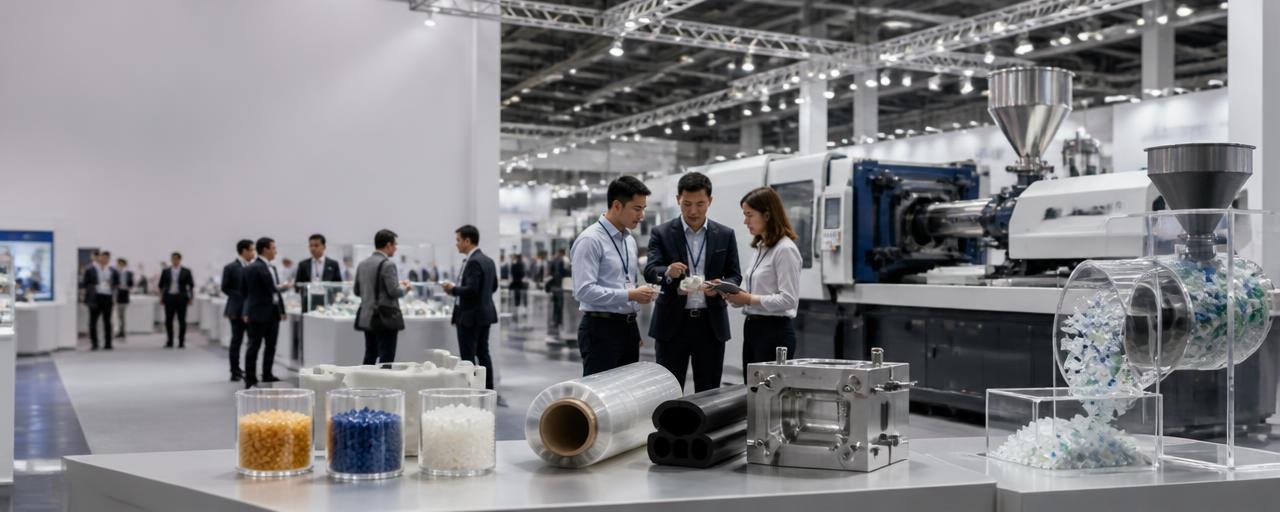
The 37th International Plastics & Rubber Machinery, Processing & Materials Exhibition takes place from 17–20 November 2026 at Jakarta International Expo (JIExpo), Kemayoran, Jakarta, Indonesia. Organised by PT Pamerindo Indonesia and Messe Düsseldorf Asia, the trade fair focuses on plastics and rubber machinery, materials and processing, alongside mould, die and recycling technologies. It brings together upstream inputs and equipment with downstream applications. Visitors can compare products, investigate production requirements and discuss solutions with suppliers; exhibitors can present machinery, materials and technical options to purchasing, engineering, quality and research professionals.
Why Jakarta Plastics & Rubber Indonesia matters
Explore the supply chain
The event covers raw materials and additives, processing machinery, moulds and dies, rubber technologies, packaging equipment and plastic recycling. This breadth is useful when a production decision depends on connected choices: material performance, tooling, machine capability, testing and downstream packaging can all affect the same manufacturing line.
Compare technologies and suppliers
Buyers can compare product options and ask about specifications, compatibility, output requirements, support and operating constraints. Engineers can focus on machinery and process details, while distributors can assess which product groups complement their portfolios.
Consider recycling and material recovery
Plastic recycling machinery and technology are included in the official product profile. Processors, recyclers and packaging professionals can investigate material recovery and circular-material solutions alongside conventional production equipment.
2025 edition, as reported by the organiser
- 18,284 trade attendees
- More than 750 exhibiting brands
- 26 countries and regions represented
- 7 country or group pavilions
These are reported figures for 2025, not forecasts for 2026. Build a target list rather than assuming every supplier or product will match your needs.
Who should visit Jakarta Plastics & Rubber Indonesia?
The show serves professional participants across upstream and downstream plastics and rubber industries. Choose the categories that match the decision you need to make.
Purchasing teams, buyers and distributors
Useful if you are sourcing resins, additives, machinery, moulds, dies, rubber products or packaging systems, or considering a new supplier. Prioritise by product specification, application, capacity and service expectations. Ask for comparable information so alternatives can be assessed consistently. Distributors may also identify gaps in a portfolio or assess complementary product lines.
Manufacturing engineers and plastics or rubber processors
Useful if you are reviewing a production process, planning equipment replacement or addressing quality, cycle, material or tooling requirements. Focus on extrusion, injection and blow moulding, thermoforming, rubber machinery, auxiliary systems and testing equipment relevant to your process. Bring material grades, product dimensions and operating conditions for a useful discussion.
Quality-control, testing and R&D professionals
Useful if your work involves material evaluation, product consistency, testing, formulation or process development. The official exhibitor profile includes testing equipment, chemicals and raw materials, colour pigments and masterbatch, composites, additives, thermoplastics and thermosets. Frame questions about methods, tolerances, samples and evidence required for internal evaluation.
Manufacturers assessing recycling solutions
Useful if you are investigating recycling machinery, recycled material inputs or packaging-related circularity. Ask how a process handles feedstock variation, contamination, throughput and output quality, and what operating conditions it requires. Treat discussions as the start of technical and commercial assessment.
What can you find at Jakarta Plastics & Rubber Indonesia?
The current exhibitor profile groups products across plastics, rubber, materials, machinery and tooling. Use these categories as a starting map, then check the organiser’s current digital showroom for actual exhibitors and stand locations.
Processing machinery and technology
- Extrusion machinery
- Injection-moulding and blow-moulding machines
- Thermoforming, thermoplastics and thermoset technologies
- Auxiliary and testing equipment
- Plastic recycling machinery and technology
- Three-dimensional technology and additive manufacturing
Materials and compounds
- Chemicals and raw materials
- Additives, colour pigments and masterbatch
- Composites and high-performance materials
- Rubber and synthetic fibres
Packaging, mould and rubber systems
- Plastic packaging machinery
- Moulds and dies
- Rubber machinery
Confirm which companies and product lines are present in 2026 before committing meeting time.
What makes Jakarta Plastics & Rubber Indonesia different?
Its practical distinction is the combination of machinery, materials and tooling across upstream and downstream plastics and rubber production. The organiser describes an event spanning the value chain and lists recycling alongside core processing equipment. That is useful when a project crosses categories: a material change may require tooling or process adjustments, or packaging specifications may affect equipment selection.
The 2025 edition was reported to include more than 750 exhibiting brands, representation from 26 countries and regions, and seven country or group pavilions. These previous-edition figures do not identify which exhibitors or pavilions will attend in 2026; check current listings before setting a must-see list.
What should you try to achieve during your visit?
Start with decisions, not the vague goal of seeing what is new. Set objectives that can be checked at the end of each day.
If you are a buyer or distributor
Objective: shortlist suppliers for one product category and record specifications, service conditions and unanswered questions. If expanding a distribution range, note which products complement your offer and which need new technical or after-sales capability.
If you are an engineer or processor
Objective: evaluate machine, tooling or material options against one operating requirement. Bring material grades, process conditions and product details; ask suppliers comparable questions about capacity, compatibility, quality control and support.
If you work in quality or R&D
Objective: identify material, testing or formulation options for structured internal evaluation. Record the sample or test method required, technical data and follow-up step.
If you are exploring recycling
Objective: identify relevant process stages and the feedstock and output conditions each supplier assumes. Treat proposals as leads for technical diligence, not performance guarantees.
How to prepare before Jakarta Plastics & Rubber Indonesia
1. Define the sourcing or production question
Write down the decision: a new material, equipment replacement, tooling issue, quality problem, packaging requirement or recycling process. Separate must-have specifications from preferences.
2. Build a category-based target list
Use the organiser’s exhibitor profile and digital showroom, then verify individual exhibitors and current product lines in the 2026 listings. Group targets by machinery, materials, mould and die, rubber or recycling. A broad category does not guarantee a company offers the exact capability you need.
3. Prioritise time
Sort targets into A – must discuss, B – useful to compare and C – explore if time allows. Reserve time for suppliers connected to your project, then leave space for adjacent categories. Confirm appointment options with the organiser if available.
4. Prepare technical questions
For machinery, ask about material range, process window, throughput assumptions, changeover, controls, safety, maintenance and support. For moulds and dies, prepare part geometry, tolerances, expected volumes and tool-life requirements. For materials, ask about grade, performance data, consistency, processing conditions and documentation. For recycling, ask about feedstock quality, contamination tolerance, output specification and process losses.
5. Agree what makes a supplier relevant
Note the intended application, approximate capacity, installation constraints, decision timeline, budget range and decision-makers. A non-confidential technical summary is often enough to start a useful discussion.
6. Check practical arrangements
Confirm registration, entry requirements, event hours, venue directions and organiser updates through official channels. The published schedule is 10:00–18:00 from 17 to 19 November and 10:00–17:00 on 20 November 2026. Recheck before travel.
How to make the most of the exhibition
Use a consistent record for each discussion: Company → Product → Why relevant → Technical evidence → Contact → Next action. A processor comparing injection-moulding options can note the target material and application, machine configuration, supplier-stated operating range and information still needed for engineering review.
Ask for evidence, not generic claims. Depending on the category, request a specification sheet, material data, test method, machine configuration, tooling details, sample or service terms. Mark what is confirmed and what needs follow-up.
Use the digital showroom or organiser’s directory to locate exhibitors and review product descriptions. Confirm details in person; catalogue categories do not guarantee every product or application will be shown. Update your A/B/C list after each conversation.
Networking with purpose
Prepare a short introduction covering your role, product or process and the question you want to resolve. Buyers can explain the application and specification; engineers can involve colleagues who can answer technical questions; distributors can clarify territory, service and channel requirements.
Close useful conversations by agreeing a next step: send a specification, share a sample protocol, arrange a technical call or confirm product availability. Record context while it is fresh. A follow-up that identifies the application and information discussed is more useful than a business card alone.
One day or several days?
The exhibition runs for four days, but the right attendance pattern depends on your objectives and the breadth of categories you need to cover.
One day
May suit a narrow brief when relevant exhibitors are confirmed. Focus on priority appointments and one or two related categories instead of trying to cover the whole supply chain.
Two days
May suit buyers or engineers comparing linked areas such as machinery and tooling, or materials and packaging. Use one day for core suppliers and another for adjacent categories and follow-up questions.
Three or four days
May be useful for a cross-functional team, a distributor reviewing a broad portfolio or a manufacturer assessing several process investments. Divide category responsibilities and consolidate notes daily.
Confirm the 2026 exhibitor directory and hall plan with the organiser; final layout and individual exhibitor locations were not verified.
Bringing a project to Jakarta Plastics & Rubber Indonesia
For machinery, prepare the process, material, target output, product dimensions, quality constraints, operating conditions and installation limits. For moulds or dies, bring non-confidential drawings or a specification summary, expected volumes and critical tolerances. For material sourcing, identify the grade, performance properties and testing or documentation needed internally.
For recycling equipment or recycled materials, document feedstock type, variation, contamination concerns, expected output and quality thresholds. Ask what assumptions the solution depends on and what information is needed to validate fit. This supports a first discussion but does not replace engineering, compliance or investment review.
For a team visit, agree who covers process performance, commercial terms, quality and follow-up. This helps distinguish a promising conversation from a verified solution.
After Jakarta Plastics & Rubber Indonesia: turn notes into decisions
Sort contacts into three groups:
- A – immediate project: suppliers that appear to match a current requirement and need prompt follow-up.
- B – potential option: companies relevant to a future project, portfolio gap or alternative-source review.
- C – market intelligence: conversations that help track materials, machinery or recycling developments but do not yet support a purchase decision.
For A contacts, request missing information such as machine configuration, performance data, material specification, tooling details, test procedure, service coverage and commercial terms. Compare offers against the same requirements and confirm claims with your technical team before changing a process or placing an order.
For B contacts, record why the company may matter and when to revisit the opportunity. For C contacts, summarise the trend or question that prompted interest. The value of attending comes from decisions and evidence after the conversations.
Who should consider exhibiting?
The official exhibitor profile covers processing machinery, auxiliary and testing equipment, raw materials, chemicals, additives, pigments, masterbatch, composites, moulds and dies, packaging machinery, rubber machinery and recycling technology. Companies should set a participation objective before committing resources.
Possible objectives include presenting a machine or material, evaluating interest in a product category, meeting distributors or explaining a technical capability. Set a measurable goal and decide what evidence would make participation worthwhile.
The 2025 edition was reported to include over 750 exhibiting brands and seven country or group pavilions. These are previous-edition figures, not the 2026 exhibitor count. Check current organiser information for participation details and stand availability.
Jakarta Plastics & Rubber Indonesia visitor checklist
Before
- ☐ Define the sourcing, production, quality or recycling question you need to answer.
- ☐ Check current registration, opening hours, venue details and organiser updates.
- ☐ Review current exhibitor listings and prioritise A, B and C targets.
- ☐ Prepare technical questions and a non-confidential project summary.
During
- ☐ Record company, product, relevance, evidence and next action after priority conversations.
- ☐ Compare suppliers using consistent technical and commercial criteria.
- ☐ Mark unverified claims and missing information clearly.
- ☐ Protect time for high-priority discussions.
After
- ☐ Sort contacts into immediate, potential and market-intelligence groups.
- ☐ Request technical documents, samples or terms needed for evaluation.
- ☐ Share findings with engineering, quality, procurement and other decision-makers.
- ☐ Track decisions and follow-up dates.
Is Jakarta Plastics & Rubber Indonesia worth visiting?
The exhibition is most relevant to professionals with a defined plastics or rubber sourcing, production, tooling, material or recycling objective. Buyers and distributors can compare product categories and suppliers; engineers, quality professionals and researchers can investigate machinery, material and testing options; manufacturers can examine how adjacent parts of the value chain affect a project.
The event’s breadth helps when needs cross categories, but an unplanned visit can be inefficient. Confirm exhibitor information, select priorities and prepare questions. Value depends on the relevance of the companies present and the quality of your evaluation and follow-up.
Jakarta Plastics & Rubber Indonesia 2026 at a glance
| Item | Information |
|---|
| Event | Jakarta Plastics & Rubber Indonesia |
| Official description | The 37th International Plastics & Rubber Machinery, Processing & Materials Exhibition |
| Dates | 17–20 November 2026 |
| Hours | 10:00–18:00, 17–19 November; 10:00–17:00, 20 November |
| City and country | Jakarta, Indonesia |
| Venue | Jakarta International Expo (JIExpo), Kemayoran |
| Organisers | PT Pamerindo Indonesia and Messe Düsseldorf Asia |
| Main industries | Plastics and rubber machinery, processing and materials; mould and die; plastic recycling |
| Relevant audiences | Purchasing professionals, distributors, manufacturers, engineers, quality-control and R&D professionals |
| Latest published scale | 2025: 18,284 reported trade attendees; 750+ exhibiting brands; 26 countries and regions; 7 country or group pavilions |
| 2026 listings | Check organiser information for current exhibitor and programme updates. |
Use official event information to confirm registration and late changes before planning your visit.
Make your Jakarta visit count
Before you attend, ask: Which supplier, process or material decision do I want to move forward? A focused shortlist, comparable questions and clear follow-up actions can turn a broad exhibition into a useful working visit.
Specify. Compare. Evaluate. Follow up.
Plastics and rubber opportunities in Indonesia
Market evidence and constraints
A September 2025 workshop account by the Global Green Growth Institute and Indonesia’s Ministry of National Development Planning reported preliminary analysis of the recycled-plastics and bioplastics value chain. It described underused national recycling capacity, shortages of suitable raw material for recycling plants and insufficient waste-collection systems. It identified high-value recycled plastics and bioplastics as areas for investment consideration; the account did not publish a national market-size figure.
Potential areas to investigate
Recycling machinery, sorting and processing technologies, and systems that support consistent recycled-material output may be relevant to the constraints described. Material producers and packaging businesses may investigate quality requirements for recycled or bio-based inputs. Feedstock quality and reliable collection are material dependencies, so these are areas for due diligence rather than assurances of demand or return.
What this may mean for exhibitors and visitors
Exhibitors offering recycling, materials or packaging solutions could investigate technical fit and possible partnerships while clarifying local feedstock and operating assumptions. Visitors may compare process options, discuss output quality and identify evidence needed to assess a solution. GGGI’s 2025 account described producer-responsibility policy work and regulation consolidation as ongoing at that time; check current Indonesian requirements before compliance or investment decisions.
Discover Jakarta
Jakarta combines a contemporary business centre with historic districts and national landmarks. The venue is in Kemayoran, within Jakarta; attractions can be considered separately from the exhibition schedule.
Kota Tua
Jakarta’s official tourism platform describes Kota Tua as a historic area reflecting the city’s early capital era. Its historic character contrasts with a day among machinery and materials displays.
Monas
The National Monument is presented by the official tourism platform as a principal Jakarta landmark symbolising the nation’s struggle. It offers a way to connect a business visit with a national historical site.
Consider setting aside time around the fair programme to explore one or both sites, and check current visitor information before going.
For further information, please click
here .