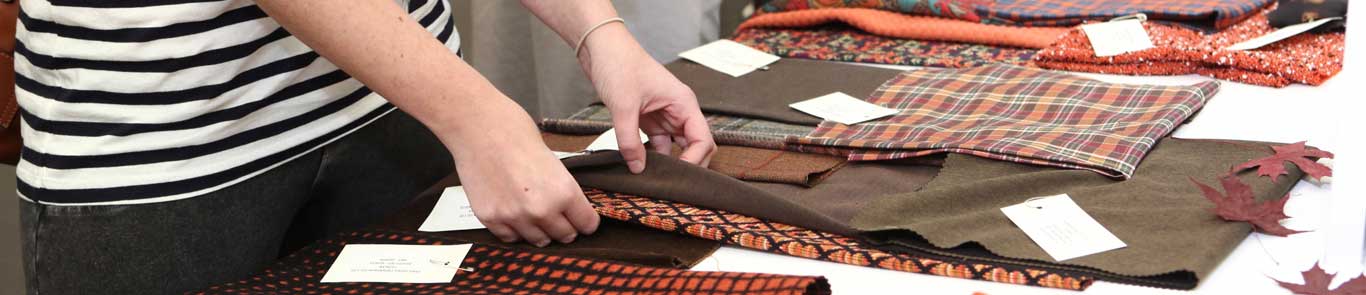
Interfabric 2027 Spring: textile and apparel trade fair
16–18 March 2027
Crocus Expo, Krasnogorsk (Moscow), Russia
Interfabric is an international industry-wide exhibition for textiles and apparel, organised by Legprommedia LLC. The organiser lists 2027 as the 21st edition. Its specialist salons cover materials, apparel, home textiles, equipment and technical textiles. Visitors can compare products, identify suppliers and connect product decisions to a collection, manufacturing need or procurement brief.
The venue is in Krasnogorsk, while the event is promoted as a Moscow exhibition. Use Krasnogorsk when checking the venue location and Moscow when planning a wider city visit.
Why Interfabric matters to textile professionals
Discover materials across the supply chain
The exhibition covers fabrics and knitted fabrics, textile materials, components and accessories, home textiles, technical textiles and non-woven materials. This breadth can help apparel, interior and textile businesses compare several parts of a sourcing brief in one visit.
Compare products against real requirements
Bring a clear specification: fibre composition, construction, weight, finish, colour range, intended use, minimum order expectations and delivery needs. Use those criteria to focus supplier conversations; confirm availability and commercial terms directly with each company.
Connect product research with industry discussion
The organiser describes seminars, workshops, procurement sessions and B2B meetings. It also says a Trend Forum is planned, with textile trend presentations and excursions, alongside a Textile Expert Forum and the ITF (Interfabric) Awards. Check the organiser’s current programme before deciding which activities to prioritise.
Who should visit Interfabric?
Apparel and textile manufacturers
Useful if you are looking for:
- Fabric and knitted-material suppliers for production
- Components, accessories and textile inputs
- Technical textiles and non-woven materials
- Textile and sewing equipment
- Supplier discussions for a defined manufacturing brief
The organiser identifies manufacturers and suppliers as core participants and names sewing companies among visitor groups.
Buyers, distributors and retail teams
Useful if you are looking for:
- Material and product ranges for a collection or assortment
- Manufacturers and suppliers to assess against buying criteria
- Home textiles, apparel, footwear, accessories or children’s fashion
- Procurement conversations and industry contacts
The organiser names retail chains and buyers among visitors and describes procurement sessions and B2B meetings.
Designers and product developers
Useful if you are looking for fabric and knit options, seasonal trend direction, home and interior materials or technical materials for a defined product brief. The organiser identifies designers among visitors and describes the Trend Forum as a professional design space.
Hospitality and interior procurement professionals
Useful if you are looking for home textiles and interior solutions, suppliers for hotel or restaurant requirements, and product options to compare against project specifications. The organiser names hotels and restaurants among visitor groups.
What can you find at Interfabric?
Fabrics and knitted materials
Explore fabric and knitted-fabric ranges, textile materials, components and accessories. Record fibre content, construction, finish, intended use, available documentation and commercial conditions for follow-up.
Technical textiles and industrial materials
The technical textiles, composite materials and polymers salon extends the exhibition beyond fashion and interiors. Visitors with a defined requirement can ask about material properties, processing needs and documentation.
Home, interior and apparel products
Dedicated salons cover home textiles and interior solutions, ready-to-wear clothing, footwear and accessories, and children’s and teen fashion. Buyers can evaluate finished products as well as material and supplier options.
Equipment and production solutions
The textile and sewing industry equipment salon addresses machinery and production needs. Prepare questions about process, materials handled, capacity, installation, training and service support; confirm details directly with exhibitors.
What makes Interfabric distinctive?
Its format combines textile materials, apparel-related categories, home solutions, equipment and technical textiles within one industry-wide exhibition. The organiser also describes procurement sessions, B2B meetings and a Trend Forum. This may help visitors connect material discovery with sourcing discussions and trend research. Exhibitors and activities vary by edition, so use the current catalogue and programme when planning.
What should you try to achieve at Interfabric?
Manufacturers and sourcing managers
Objective: shortlist suppliers against a written material or production specification. Decide which fibres, constructions, finishes, performance properties and delivery conditions are essential, and note what still needs samples or technical documents.
Buyers and distributors
Objective: identify product ranges and supplier conversations for follow-up. Separate priority categories from exploratory ones, and record assortment fit, order conditions and next steps without assuming availability.
Designers and product developers
Objective: gather material and trend references to test against a collection brief. Capture the source, composition, finish, intended use and any sample follow-up needed.
How to prepare before Interfabric
1. Define the decision
Choose a practical goal: source fabric, compare technical materials, review home-textile options, investigate equipment or identify partners. Write down the question each conversation should answer.
2. Prepare a comparison sheet
For materials, include fibre composition, construction, weight, finish, end use and performance requirements. For equipment, include process, materials, capacity, integration and service questions. Mark mandatory requirements separately from preferences.
3. Prioritise salons and companies
Use the organiser’s participant catalogue and salon descriptions to prepare a shortlist. Classify targets as A — essential, B — relevant, and C — exploratory. Confirm current exhibitor and programme details before travel.
4. Prepare supplier questions
- Which fibres and constructions suit this application?
- What finishes, widths, weights or performance properties can be specified?
- What samples, test reports or technical documents are available?
- What minimum orders and lead times apply?
- Can the supplier support repeat orders and consistent quality?
- For equipment, which materials and processes does it handle?
- What installation, training and after-sales support should be considered?
How to make the most of the exhibition
Do not collect catalogues without recording why they matter. Use a note for each contact: Company → Product → Specification fit → Evidence or sample needed → Contact → Next action. For example, a garment manufacturer might record a knitted fabric’s composition and finish, then request a swatch and technical details for evaluation.
For trend research, separate inspiration from a purchase decision. Note which Trend Forum ideas relate to your target customer or collection, then identify what material or supplier information needs validation. Record any commercial terms that remain to be confirmed.
Beyond the Interfabric exhibition floor
The organiser’s 2027 information describes seminars, workshops, procurement sessions and B2B meetings. It also describes a planned Trend Forum with trend presentations and excursions, a Textile Expert Forum and the ITF (Interfabric) Awards. Check the latest schedule for session names, times and participation details.
Choose sessions that answer a question from your work: material direction, product development or sourcing. Leave time for salon visits and supplier discussions.
One day or several days at Interfabric?
One day
May suit visitors with a tightly defined brief and short priority list. Focus on the most relevant salon, preselected companies and essential programme items.
Two days
May allow time to compare categories, revisit suppliers and include a programme session without compressing every conversation.
Three days
The exhibition runs across three days. More than one day may be useful if you need to cover several salons or balance product research with the programme. Decide based on your objectives and the published schedule.
Interfabric is useful for a live project
For a clothing, home-textile or technical-material project, bring a concise brief: intended application, material requirements, dimensions or performance criteria, colour or finish direction, expected volumes and timing. For equipment enquiries, prepare process and capacity requirements. Verify samples, compliance evidence, quotations and delivery commitments directly with suppliers.
After Interfabric: turn conversations into decisions
Sort contacts into three groups: A — immediate evaluation for products that fit a current project; B — potential for suppliers or ideas needing more information; and C — market intelligence for trends or categories to monitor. Follow up on agreed samples, technical sheets, test evidence, equipment specifications or quotations. Compare responses against the same brief before making a sourcing decision.
Who should consider exhibiting at Interfabric?
The organiser describes participants as Russian and international fabric manufacturers and textile-material suppliers. Listed salons also cover knitted fabrics, technical textiles, composites and polymers, home and interior solutions, apparel, footwear, accessories, children’s fashion, and textile and sewing equipment. Relevant companies may consider exhibiting when they have products for textile, apparel, retail, design, hospitality or procurement professionals. Define an objective and confirm stand options and terms with the organiser.
Interfabric visitor checklist
Before
- ☐ Set a sourcing, product-development or market-research objective.
- ☐ Review current salons, participant catalogue and programme.
- ☐ Prepare material or equipment specifications and questions.
- ☐ Check visitor registration and venue arrangements with the organiser.
During
- ☐ Record product details, supplier contacts and next actions.
- ☐ Compare suppliers against the same requirements.
- ☐ Separate confirmed information from details still to be checked.
After
- ☐ Request agreed samples, documents or quotations.
- ☐ Compare technical fit, order terms and delivery needs.
- ☐ Follow up with priority contacts.
Is Interfabric worth visiting?
Interfabric is most relevant to professionals working with fabrics, apparel, home textiles, textile equipment or technical materials. Buyers and manufacturers can compare products and develop supplier conversations; designers can explore material and trend directions; hospitality and interior teams can focus on home-textile solutions. A prepared shortlist and clear specifications make the broad range more useful than unstructured browsing.
Interfabric 2027 Spring at a glance
| Item | Information |
|---|
| Event | Interfabric 2027 Spring, the 21st edition according to the organiser |
| Date | 16–18 March 2027 |
| Venue | Crocus Expo, Krasnogorsk, promoted as Moscow, Russia |
| Organiser | Legprommedia LLC |
| Main sectors | Fabrics and knits; apparel, footwear and accessories; children’s fashion; home textiles; equipment; technical textiles, composites and polymers |
| Programme | Organiser describes seminars, workshops, procurement sessions, B2B meetings, a Trend Forum and Textile Expert Forum |
| Scale figures | Edition-specific exhibitor and visitor totals were not identified |
Dates, venue and listed programme elements are published by the organiser. Check the current catalogue, visitor information and schedule before final plans.
Closing: make your Interfabric visit purposeful
What material, supplier or product decision do you want to take forward after your visit to Krasnogorsk and Moscow? Set that objective before you arrive, then compare, document and follow up. Specify. Compare. Connect. Evaluate. Follow up.
Textile and apparel opportunities in Russia
Market size and demand
Russia produced a reported 681.3 million square metres of synthetic fabric in 2025, up 4% on the prior year, according to TAdviser’s reporting of Alto Consulting Group data. This is one segment’s production, not total textile-market size or import demand.
Commercial opportunities to investigate
Suppliers may use Interfabric to compare synthetic-fabric specifications and discuss possible sourcing relationships with textile and apparel businesses. Buyers may compare available ranges against their own requirements. These are avenues to investigate, not evidence of unmet demand or assured sales.
Current country-wide market size, import dependence, product-specific market-entry rules and certification requirements were not established in the available evidence. Verify applicable product rules, documentation, labelling and commercial conditions for specific goods.
What this may mean for exhibitors
Suppliers of synthetic fabrics and related materials may present specifications, understand buyer requirements and assess possible relationships. The production figure alone does not establish market access or commercial viability.
What this may mean for visitors
Textile and apparel professionals may compare supplier capabilities and material options, then validate technical documentation, pricing, order quantities and delivery conditions directly with each company.
Discover Moscow
Interfabric is held at Crocus Expo in Krasnogorsk, outside Moscow proper; the organiser markets the event as a Moscow exhibition. Visitors extending a business trip into Moscow can explore its art collections.
Tretyakov Gallery
On Lavrushinsky Lane, the Tretyakov Gallery presents Russian art from the 12th to the early 20th century, with a collection described by the gallery as spanning eleven centuries.
New Tretyakov
At Krymsky Val, New Tretyakov focuses on 20th-century and contemporary art, including avant-garde and nonconformist art. These museums offer a cultural counterpoint to textile-focused business days; check current visitor information when planning.
For further information, please click
here .