RailTech Europe 2027: the event at a glance
RailTech Europe is a railway exhibition and conference for professionals involved in building, operating, maintaining and modernising railways. The 2027 edition combines a conference on 2 March with the exhibition on 3 and 4 March.
| Item | Information |
|---|
| Event | RailTech Europe |
| Edition | 17th edition |
| Type | Business exhibition and conference |
| Dates | 2–4 March 2027; conference 2 March, exhibition 3–4 March |
| Exhibition hours | 10:00–15:00 on 3 and 4 March |
| Venue | Jaarbeurs Utrecht, Hall 3, Jaarbeursplein 6, 3521 AL Utrecht, Netherlands |
| Main sectors | Rail infrastructure, rolling stock, maintenance, communications, monitoring and digital rail technology |
| Audience | Infrastructure managers, operators, contractors, engineers, technology providers, policymakers and knowledge institutions |
| Latest published visitor context | 5,500+ visitor registrations and visitors from 30+ countries in 2026; organiser-reported |
The 2027 conference and exhibition schedule is published; check the organiser’s information for any later programme or participation updates.
Why RailTech Europe matters
See rail systems as connected operations
Rail performance depends on infrastructure, rolling stock, communications, maintenance and operational decisions working together. RailTech Europe spans these parts of the supply chain, helping professionals assess how components and services fit real network requirements.
Compare engineering approaches
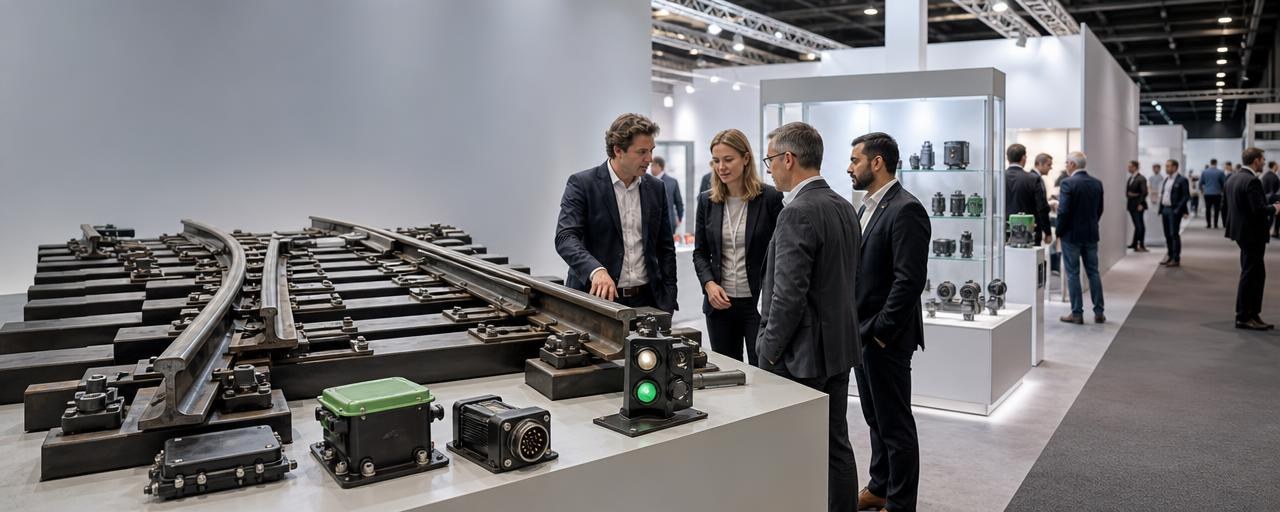
Exhibition displays give visitors a chance to examine equipment and discuss specifications with suppliers. For operators and contractors, the value is in testing the fit of a solution against reliability, capacity, maintenance access and project constraints—not simply collecting product information.
Connect technology with renewal priorities
The 2027 conference addresses infrastructure financing, efficient rail renewals, automation and workforce gaps, as well as moving beyond nationally focused railways. The exhibition floor and conference therefore speak to both immediate technical choices and wider delivery challenges.
- 5,500+ visitor registrations were reported for the 2026 edition.
- 30+ countries were represented in the 2026 visitor-registration data.
- 76% of international visitors were described as having a decisive or influencing role in their organisation.
These organiser-reported figures describe the 2026 audience, not a guaranteed 2027 attendance or a promise of access to decision-makers.
RailTech Europe sectors and product groups
Track and rail infrastructure
- Rails, sleepers and track components
- Switches, crossings and turnout systems
- Track conditioning and switch heating
- Level-crossing and point-control equipment
- Track construction, installation and renewal solutions
Infrastructure construction and maintenance
- Railway construction machinery, tools and equipment
- Inspection, maintenance and refurbishment systems
- Rail grinding, joining and track-repair technologies
- Engineering, certification and technical consultancy
- Project delivery, installation and maintenance services
Monitoring, measurement and data
- Track and asset-monitoring sensors
- Measurement and inspection instruments
- Data collection and condition-monitoring systems
- Analytics for railway operations and asset management
- Automation and predictive-maintenance technologies
Signalling, communications and control
- Railway signalling and train-control systems
- Railway communications and radio equipment
- Control and management systems
- Connectivity, cables and rugged connectors
- Passenger and operational information systems
Rolling stock and onboard technologies
- Train control and management systems
- Electrical measurement and onboard sensors
- Connectivity for passenger and operational systems
- Bogie, suspension and vibration-control components
- Rolling-stock maintenance and refurbishment solutions
Railway services and specialist expertise
- Infrastructure and systems engineering
- Technical staffing and specialist contracting
- Procurement, logistics and project support
- Training, research and knowledge services
Use these groups to plan a route through the floor; confirm specific exhibitors and products in the organiser’s current directory.
Who should visit RailTech Europe?
Infrastructure managers and railway undertakings
Useful if you are responsible for networks, rolling stock or railway services and need to:
- Compare systems that may improve capacity and reliability
- Review track renewal and maintenance approaches
- Discuss monitoring and asset-condition information
- Assess how technologies fit existing infrastructure
- Identify technical questions for suppliers and project teams
Relevant roles include asset managers, infrastructure engineers, operations directors, rolling-stock managers and procurement teams.
Contractors and maintenance companies
Focus on equipment, components and services that could support safe, efficient project delivery. Compare maintenance methods, installation requirements, service support and how a solution fits planned work windows. Useful roles include project directors, track engineers, maintenance planners, site managers and technical buyers.
Engineering and consultancy firms
Use the event to examine products and implementation approaches relevant to design, certification, systems integration and asset management. Prepare project-specific requirements and questions about interfaces, evidence, installation and lifecycle support. Relevant roles include rail systems engineers, consultants, signalling specialists and certification professionals.
Suppliers and technology providers
Exhibiting or attending can help you understand the technical priorities of infrastructure managers, operators and contractors. Compare complementary technologies, explain integration requirements and identify the questions that potential partners ask. Relevant roles include product managers, business-development teams, technical sales and service leads.
Governments, policymakers and knowledge institutions
The conference offers a place to follow discussion on funding, renewal productivity, automation, workforce constraints and cross-border rail. Policymakers, researchers and transport planners can use the sessions to compare delivery challenges and identify topics for further evaluation.
Why visit RailTech Europe?
- Identify relevant suppliers: shortlist providers of track, monitoring, signalling or rolling-stock solutions that match a live project or operational need.
- Compare technical fit: ask about interfaces, standards, installation, maintenance access, service support and lifecycle requirements.
- Review renewal approaches: relate conference discussion on efficient renewals to your network constraints, work windows and delivery capacity.
- Explore automation carefully: compare where automation is technically suitable and what workforce, integration or operational conditions it requires.
- Build a cross-border perspective: use the international audience and programme to examine how nationally distinct railway systems can share approaches.
- Turn contacts into next steps: record the technical evidence, documents and follow-up needed before a purchasing or project decision.
Why exhibit at RailTech Europe?
Rail technology companies, infrastructure suppliers, engineering firms and specialist service providers can use the exhibition to present solutions to professionals across the rail value chain. Organiser materials cite 5,500+ visitor registrations from 30+ countries in 2026; the organiser also describes 76% of international visitors as decision-makers or influencers within their organisations. These are reported audience indicators, not a guarantee of meetings, buyer access or sales.
- Show equipment and explain its application to infrastructure, operations or maintenance challenges.
- Discuss project requirements with contractors, operators, infrastructure managers and engineers.
- Compare your proposition with complementary systems and identify integration questions.
- Use the conference themes to frame technical discussions around renewal, financing, automation and workforce constraints.
Before committing, define the rail applications you target, the evidence you can provide, the service and spare-parts model, and the technical approvals or procurement requirements that may apply to each customer. The organiser lists exhibition stands, partnership options, a Talent Hub and workshops; confirm current terms directly with the organiser. ilikevents can help exhibitors with participation planning, registration coordination, stand selection, booth design, staffing, interpretation and business-meeting arrangements.
How to prepare before RailTech Europe
1. Start with a railway decision
Choose one priority: an infrastructure renewal, a maintenance challenge, an asset-monitoring requirement, a rolling-stock upgrade or a supplier search. Write the technical and operational conditions that a solution must meet.
2. Build a focused company list
Use the organiser’s current exhibitor directory when planning is available. Sort targets into A (must meet), B (useful) and C (explore if time allows). Group them by track, systems, rolling stock, digital technology or services so you can compare like with like.
3. Prepare questions for rail suppliers
- Which network, asset or vehicle types is the solution designed for?
- What interfaces and technical dependencies should be considered?
- What evidence supports reliability, performance and maintainability claims?
- How are installation, commissioning and staff training handled?
- What inspection, maintenance and spare-parts support is available?
- What approvals, certifications or customer references can be documented?
- How does the solution affect work windows, disruption and lifecycle costs?
- What data can monitoring systems provide, and how is it integrated?
4. Schedule around the event format
The conference is on 2 March; the exhibition is open on 3 and 4 March from 10:00 to 15:00. Prioritise conference sessions that address your goals, then reserve exhibition time for supplier conversations and product comparisons.
How to make the most of the exhibition
Do not leave with a pile of brochures and no decision trail. For each relevant conversation, capture: Company → Product or service → Project fit → Evidence needed → Contact → Next action. For example, record whether a track-monitoring device fits the asset and data interfaces you use, what performance evidence is available and who will review it after the event.
Ask exhibitors to distinguish established deployments from pilots or planned capabilities. Note the operating conditions, maintenance needs and implementation dependencies that could change the value of a solution. If a conference point prompts a question, take it to a supplier or technical colleague and record what remains to be verified.
Beyond the RailTech Europe exhibition floor
The 2027 conference takes place on 2 March and includes a welcome and keynote on Europe’s railway renewal challenge, followed by sessions on financing infrastructure with constrained budgets, efficient rail renewals, automation and workforce gaps, and moving beyond nationally focused railways. The exhibition programme also identifies three stages: a Main Stage for strategic questions, a Tech Stage for technology in use, and an Innovation Stage for start-ups, pilots and research. Treat the published programme as a guide to prioritisation and check for updates before attending.
RailTech Europe visitor profile and business opportunities
| Visitor profile | Potential focus |
|---|
| Infrastructure managers | Track renewal, capacity, monitoring and asset reliability |
| Railway operators | Operational performance, rolling stock and passenger systems |
| Contractors | Construction equipment, installation methods and work planning |
| Maintenance companies | Inspection, repair, refurbishment and service support |
| Engineering and consultancy firms | Systems integration, technical design and certification needs |
| Technology providers | Partnerships, product fit and routes into rail projects |
| Policymakers and researchers | Rail renewal, cross-border coordination, automation and workforce issues |
Travelling to RailTech Europe
Jaarbeurs Utrecht is directly next to Utrecht Centraal; the venue says the walk from the station takes only a few minutes. The venue is also connected by bus, tram and road. Parking is available, and the event’s practical information recommends checking the venue’s parking arrangements before travelling. Confirm the 2027 access and parking details before departure.
One day or both exhibition days?
One exhibition day
One day may suit visitors with a short target list and a defined technical question. Arrange the route by product group and reserve time for priority suppliers rather than attempting to cover every stand.
Both exhibition days
Two days allow more time to compare track, systems, rolling-stock and digital solutions, return to suppliers with follow-up questions and connect the conference themes with products on the floor. The conference day is separate, so consider it when policy, financing or renewal delivery is central to your work.
After RailTech Europe: turn information into decisions
Within a few days, sort contacts into A (immediate project fit), B (potential supplier or partner) and C (market or technology intelligence). For A contacts, request the technical documents, interface details, certifications, service terms or project references needed for an internal review. For B contacts, record the question that would justify a second conversation. Do not treat a promising discussion as a completed procurement assessment: compare evidence, lifecycle requirements and implementation constraints before advancing a solution.
RailTech Europe visitor checklist
Before
- ☐ Define the project or operational challenge you want to address.
- ☐ Check the current programme, exhibitor list, registration and travel requirements.
- ☐ Prepare supplier questions and schedule priority meetings.
During
- ☐ Compare solutions against the same technical and operational criteria.
- ☐ Record evidence, interfaces, support needs and next actions.
- ☐ Link relevant conference insights to a practical project question.
After
- ☐ Follow up with priority contacts and request supporting documents.
- ☐ Review fit with engineering, operations, procurement and maintenance teams.
- ☐ Separate verified capabilities from claims that need further checking.
Is RailTech Europe worth visiting?
RailTech Europe is most useful to professionals working on railway infrastructure, rolling stock, maintenance, engineering or rail technology who arrive with a project question or supplier brief. The split between conference themes and two exhibition days supports both strategic learning and product evaluation. Its value depends on selecting relevant sessions, comparing evidence and following up systematically; walking the floor without a technical or commercial objective is less likely to produce useful decisions.
Make your RailTech Europe visit purposeful
Which railway challenge do you want to understand, compare or move forward? Set a clear objective, gather evidence and turn relevant conversations into decisions.
Discover. Compare. Evaluate. Connect. Follow up.
Railway infrastructure and technology opportunities in the Netherlands
Market drivers and demand context
The Netherlands is part of a wider European rail market experiencing growth in international services. The Dutch government reports that international trains operating in Europe increased by 7% in 2025 compared with 2024, and expects a further 22% increase in 2026 compared with 2025. ProRail expects year-on-year growth to approximately 2035 on three international routes connected with the Netherlands. These indicators concern international train operations and route expectations, not the monetary size of the Dutch rail-equipment market.
Government priorities include investment in railway infrastructure, stations, safety-management systems and cross-border services. This creates a relevant context for RailTech Europe’s track, monitoring, communications, renewal and operational technology categories, while individual project demand and procurement remain specific to each operator and programme.
Areas to investigate
- Renewal and maintenance: suppliers may assess how track components, inspection tools and maintenance services fit documented renewal priorities; project specifications and procurement routes need to be checked case by case.
- Cross-border capacity: operators and suppliers could examine infrastructure, signalling, communications and control solutions relevant to international route development and interoperability.
- Safety and asset monitoring: visitors may compare monitoring and safety-management technologies against operator needs, system interfaces and required evidence.
- Automation and productivity: the event’s focus on automation and workforce constraints may help participants evaluate where technical solutions could support renewal delivery, subject to project and workforce conditions.
What this may mean for participants
Exhibitors can use the event to explain how their products address network capacity, renewal, monitoring or cross-border challenges, and to identify what technical and procurement evidence potential customers require. Visitors can compare suppliers and approaches against specific projects, while checking applicable standards, approvals and tender conditions with the relevant infrastructure manager or contracting authority. The available evidence gives a policy and demand context but does not quantify addressable sales or establish any guaranteed buyer access.
Explore Event Opportunities
Explore how RailTech Europe can help you compare railway technologies, identify relevant suppliers and plan a purposeful participation strategy, with practical support from ilikevents.
Get Expert Assistance from ilikevents to plan your visit or exhibition participation.
See the ilikevents services for this event
For further information, please click
here .