FESPA Global Print Expo 2027
6–9 April 2027 · Messe München, Munich, Germany
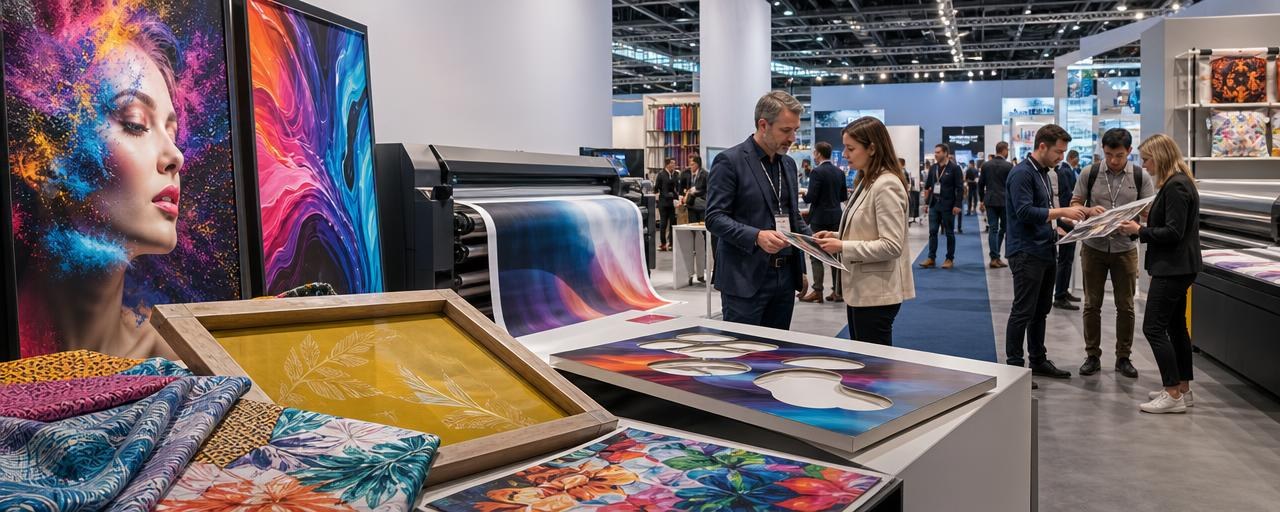
FESPA Global Print Expo is an international trade exhibition for professional print technologies and applications, with a focus spanning digital and screen printing, textile printing, signage, graphics and personalisation. Its commercial value lies in comparing equipment, software, materials and finished applications in one professional setting. Printers, sign makers, textile specialists, buyers and suppliers can use the show to examine technical fit, discuss production requirements and identify useful next steps.
FESPA Global Print Expo at a glance
| Item | Information |
|---|
| Event | FESPA Global Print Expo |
| Full name | FESPA Global Print Expo |
| Edition | 2027 event; ordinal edition number not confirmed |
| Event type | Business trade exhibition |
| Category | Books, Printing & Publishing |
| Dates | 6–9 April 2027 |
| City and country | Munich, Germany |
| Venue | Messe München |
| Organiser | FESPA |
| Main sectors | Digital and screen printing, textile printing, signage and graphics, personalisation, print software, materials and applications |
| Main audiences | Print producers, sign makers, graphic producers and installers, textile printers, buyers, production teams and suppliers |
| Latest published visitor figure | 15,495 unique visitors in 2026, organiser-reported |
| Latest cited exhibitor scale | Over 550 exhibitors from more than 36 countries in 2025, organiser-reported across FESPA Global Print Expo and co-located events |
The 2027 dates and Munich venue are confirmed. The visitor and exhibitor figures refer to previous editions and should not be read as forecasts for 2027.
Why FESPA Global Print Expo matters
Evaluate production technology
Print businesses can examine equipment and workflow options in the context of the applications they produce, from large-format graphics to screen and textile print. The useful comparison is not simply machine speed or headline capability: assess substrate range, colour consistency, workflow compatibility, finishing needs, service support and the economics of the jobs you actually handle.
Connect print processes to finished applications
Signage, graphics, customised textiles and personalised products depend on more than a printer. Materials, software, colour management, cutting, finishing and installation all affect the result. Seeing these categories together helps production teams identify where a change in one part of the workflow could affect quality, throughput or the range of work they can offer.
Discuss requirements with suppliers
Face-to-face technical conversations can help buyers clarify specifications and identify questions for a more detailed evaluation. They are most productive when you bring samples, job requirements and constraints, and record the supplier’s proposed configuration for follow-up rather than treating a demonstration as a complete investment assessment.
Previous-edition scale:
- 15,495 unique visitors attended the 2026 event, according to FESPA’s post-event report.
- FESPA reported over 550 exhibitors from more than 36 countries for the 2025 edition and its co-located events.
These organiser-reported figures indicate a substantial professional gathering, but the editions and event groupings differ. Use them as context, not as a guaranteed 2027 attendance or exhibitor count.
Exhibition sectors and product groups at FESPA Global Print Expo
Digital and wide-format printing
- Wide-format digital printing systems
- Roll-fed and rigid-substrate print workflows
- Digital print heads and equipment components
- Print media and application substrates
- Inks and related consumables
- Raster image processing and production workflow software
Screen printing
- Screen-printing presses and production systems
- Mesh, frames and screen-preparation materials
- Squeegees and press accessories
- Screen-printing inks and consumables
- Stencil and image-transfer processes
- Curing and drying equipment
Textile printing
- Digital textile-printing systems
- Textile substrates and printable fabrics
- Textile inks and colour-management workflows
- Pre-treatment and post-treatment processes
- Transfer-print production methods
- Finishing approaches for printed textiles
Signage and graphics
- Printed signs and visual communication applications
- Display graphics and point-of-sale applications
- Sign-making materials and substrates
- Cutting, routing and finishing workflows
- Vehicle and surface graphics applications
- Installation materials and display systems
Personalisation and product decoration
- Customised print products and short-run applications
- Decorated textiles and apparel workflows
- Personalised promotional and commercial products
- Digital tools supporting customised production
- Print-to-finish workflows for individualised output
Software, materials and finishing
- Print-production and workflow software
- Colour-management tools and processes
- Inks, toners and print consumables
- Printable materials and media
- Laminating and protective finishing processes
- Cutting, trimming and other post-print operations
These groups describe the event’s documented subject areas and the kinds of products used in those workflows. They are not a confirmed 2027 exhibitor or stand list.
Who should visit FESPA Global Print Expo?
Commercial printers and print-production businesses
Useful if you are looking to:
- Compare production systems for the job mix your business handles
- Assess substrates, inks and consumables against current output requirements
- Review software and workflow compatibility before changing equipment
- Investigate finishing options that support your existing print processes
- Discuss service, maintenance and technical support with suppliers
Bring representative job files or samples where appropriate, plus clear information on volumes, formats and quality requirements. This makes equipment conversations more specific than a general product demonstration.
Sign makers, graphic producers and installers
Useful if your work involves:
- Comparing materials and systems for indoor or outdoor graphics
- Assessing display, signage and visual-communication applications
- Reviewing cutting, finishing and installation requirements
- Exploring how print quality and substrate choice affect the final result
- Identifying suppliers for a defined product or service gap
Prioritise the complete application, not only the printer: media, finishing, mounting, installation and replacement needs all affect the solution you deliver to customers.
Textile printers and personalisation businesses
Useful if you are evaluating:
- Digital or screen-based approaches to textile production
- Printed fabric, apparel and product-decoration workflows
- Colour consistency across materials and repeat orders
- Production methods for customised or shorter-run work
- Pre-treatment, post-treatment and finishing requirements
Compare the full process from artwork and substrate through to finished output. Ask suppliers which materials, inks and finishing steps are required for the specific product types you intend to make.
Buyers, production managers and technical decision-makers
Useful if you are responsible for equipment, materials or workflow decisions and need to:
- Build a shortlist of suppliers against documented technical requirements
- Compare system capacity, integration and support questions
- Understand the relationship between software, machine and finishing choices
- Identify which proposals need testing or a formal quotation after the show
- Coordinate technical, procurement and operational review before investment
Previous FESPA reporting described a senior professional audience. Individual purchasing authority and supplier access should still be confirmed directly rather than assumed.
Job roles that may benefit
- Print business owners and managing directors
- Production and operations managers
- Print buyers and procurement managers
- Print and colour-management technicians
- Sign makers, graphic producers and installers
- Textile-print and product-personalisation specialists
- Machinery, software, materials and consumables suppliers
Why visit FESPA Global Print Expo?
- Compare production options: assess digital, screen and textile-print approaches against your current and planned applications.
- Find relevant suppliers: focus on equipment, software, media or consumables that address a specific operational requirement.
- Evaluate end-to-end workflows: trace how printing, colour management, materials and finishing combine to produce a saleable result.
- Investigate new applications: review signage, graphics, textile and personalised-product possibilities that fit your customer base and capabilities.
- Clarify technical questions: ask about compatibility, supported substrates, colour performance, service and maintenance before requesting a formal proposal.
- Plan a purchase responsibly: use the show to shortlist solutions, then compare full specifications, operating costs, references and terms after the event.
Why exhibit at FESPA Global Print Expo?
Manufacturers and suppliers of print machinery, software, materials, consumables and finishing solutions may consider exhibiting when they want to present applications to a professional print and signage audience. The event’s documented sectors also include textile printing and personalisation, which may help suppliers assess adjacent applications and customer groups.
Exhibiting can create opportunities to demonstrate products, explain technical differences, meet existing customers and explore potential distributors or business partners. These are possibilities, not guaranteed leads or commercial outcomes. A useful stand plan starts with the products and audience segments most relevant to the company’s objectives.
- Define the application and customer problem each demonstration addresses.
- Prepare technical staff to explain specifications, substrates, workflow compatibility and service requirements.
- Set a method for recording enquiries and agreeing a clear follow-up action.
- Review the event’s exhibitor terms, stand options, deadlines and logistics with FESPA before committing.
- For international market exploration, assess distribution, local service capacity, spare parts, applicable product rules and commercial terms separately.
ilikevents can assist exhibitors with registration coordination, participation planning, stand selection, booth design and construction, staffing, interpretation and business-meeting arrangements.
How to prepare before FESPA Global Print Expo
1. Set an application-led objective
Replace “see what is new” with a decision you can act on. Examples include identifying a print system for a defined format range, comparing two finishing approaches, or finding a material supplier that can support a new application. Keep the objective specific enough to evaluate after the show.
2. Build a shortlist of requirements
Write down the products you make, media and substrates used, output dimensions, colour or durability requirements, finishing steps, current bottlenecks and any software or equipment that must integrate with a proposed solution. Separate essential criteria from preferences.
3. Organise potential supplier conversations
Use current exhibitor information from FESPA when available. Categorise targets as A—must meet, B—useful to meet and C—explore if time allows. Confirm appointments and participation details directly with the companies and organiser; do not assume an exhibitor directory or matchmaking service is available for every edition.
4. Prepare technical questions
- Which substrates and media are supported, and what preparation do they require?
- How does the system maintain colour consistency across jobs and repeat production?
- Which software, file formats and workflow components are needed?
- What finishing, cutting or curing equipment is required after printing?
- What are the installation, training and maintenance requirements?
- Which consumables are compatible, and how should their use be budgeted?
- What service response, spare-parts and technical-support arrangements are offered?
- What tests or samples would help validate the proposed solution for our work?
- Which costs, operating conditions and production assumptions are included in a quotation?
- For textile or personalised products, how do material choice and finishing affect repeatability?
5. Plan the practical details
Check FESPA’s current event information for visitor registration, programme details, venue access and any updates before making final arrangements. The event runs across four days; choose the days that best support your objectives and confirm opening times directly. ilikevents can help visitors with exhibition planning, registration assistance, travel arrangements, interpretation and meeting coordination.
How to make the most of FESPA Global Print Expo
Use a consistent record for every useful conversation:
Company or supplier → product or process → application fit → technical questions → evidence or sample needed → contact → next action.
For example, when reviewing a large-format solution, record the media range, output requirements, finishing steps and service questions that still need written confirmation. This turns a promising demonstration into a practical follow-up task without treating a show-floor discussion as a complete technical assessment.
- Capture product specifications and the exact model or configuration discussed.
- Distinguish a demonstration from a confirmed performance commitment.
- Note which samples, tests or quotations are required next.
- Record who in your team should review each supplier conversation.
- Leave time to revisit priority stands and compare alternatives using the same criteria.
FESPA Global Print Expo visitor profile and business opportunities
| Visitor profile | Main interests |
|---|
| Commercial print businesses | Digital and screen-print systems, materials, workflow and finishing |
| Sign makers and graphic producers | Signage applications, display graphics, substrates and cutting or installation processes |
| Textile printers | Textile-print equipment, inks, fabrics, colour and finishing |
| Personalisation businesses | Customised products and practical print-to-finish workflows |
| Print buyers and procurement teams | Supplier comparisons, technical fit, service and commercial terms |
| Production managers and technicians | Workflow compatibility, consistency, maintenance and production requirements |
| Equipment and materials suppliers | Presenting print machinery, software, consumables and applications to relevant professionals |
One day or several days at FESPA Global Print Expo?
One day
Can suit visitors with a tightly defined objective and a short list of priority suppliers. Plan the route around essential conversations and leave enough time to compare technical alternatives.
Two days
May be more useful when you need to review several product groups, speak with multiple suppliers or involve technical and procurement colleagues. Use the first day to survey and the next to revisit shortlisted solutions.
Three or four days
May suit exhibitors, visitors with broad sourcing needs or teams assessing several workflows across print, signage, textile and personalisation. Avoid filling every hour with appointments: comparison, note-taking and follow-up planning are part of the work.
After FESPA Global Print Expo: turn conversations into decisions
Within your team, classify contacts as A—immediate technical or purchasing review, B—potential future fit, and C—useful market or technology information. Send each supplier a concise follow-up that records the application discussed and requests the evidence still needed.
- Request written specifications, configurations and quotations for shortlisted systems.
- Confirm substrate compatibility, software interfaces, colour requirements and finishing dependencies.
- Compare service arrangements, training, consumables, spare parts and operating assumptions.
- Arrange tests or sample production where a decision depends on actual output quality.
- Record the decision owner, evaluation criteria and next review date.
A productive visit does not require an immediate purchase. A clear shortlist, a resolved technical question or a better-defined investment brief can also be a useful outcome.
FESPA Global Print Expo visitor checklist
Before
- ☐ Define the application or investment decision you want to progress.
- ☐ List formats, substrates, volumes, quality requirements and workflow constraints.
- ☐ Review current visitor and exhibitor information and confirm arrangements.
- ☐ Prioritise supplier meetings and prepare technical questions.
- ☐ Coordinate which team members will assess technical, commercial and operational fit.
During
- ☐ Record supplier, product, application, specification and next action consistently.
- ☐ Distinguish claims or demonstrations from written evidence and confirmed terms.
- ☐ Compare competing solutions against the same requirements.
- ☐ Capture samples, documentation and follow-up contacts where appropriate.
- ☐ Reserve time to revisit priority suppliers and review your notes.
After
- ☐ Sort contacts by urgency and relevance.
- ☐ Request written specifications, quotations or tests from shortlisted suppliers.
- ☐ Check service, consumables, compatibility and total operating requirements.
- ☐ Assign owners and dates for each follow-up decision.
- ☐ Review which opportunities merit a further technical or commercial assessment.
Is FESPA Global Print Expo worth visiting?
FESPA Global Print Expo is most relevant to professionals who work with print, signage, graphics, textile printing or personalisation and have a clear reason to compare technologies, materials, suppliers or workflows. Buyers and production teams can gain more from the show when they arrive with defined specifications and use supplier conversations to build a verifiable shortlist. A general walk through the exhibition may offer ideas, but preparation and disciplined follow-up are what turn those ideas into useful business decisions.
Make your visit purposeful
Which print application, supplier decision or production question do you want to move forward in Munich? Discover. Compare. Discuss. Evaluate. Follow up.
Printing and signage opportunities in Germany
Market context and indicators
VDMA’s Printing and Paper Technology association describes a sector that includes machinery and systems for prepress, printing and post-print processes, paper production and paper converting. Its profile represents around 150 member companies with turnover of around €9 billion. This is an association-membership figure, not a measure of the whole German print market or demand for any one product; the profile does not state a reference year.
Regulatory context and commercial questions
The EU Packaging and Packaging Waste Regulation has applied since 12 August 2026, with some provisions phased in later. Businesses placing packaging on the EU market should check which requirements apply to each packaging format and their role in the supply chain. This is most relevant to packaging printers, converters and customers involved in packaging design; it is not a blanket rule for every print technology or signage product.
- Packaging design and print workflows: packaging companies may review how changing packaging requirements affect materials, print specifications and supplier discussions. The applicable provisions and transition dates depend on the product and business role.
- Print-equipment and workflow evaluation: suppliers and buyers can use the event to compare equipment, software and finishing needs for their own applications. Association turnover does not establish demand for a particular machine or guarantee a route to customers.
- Technical and distribution partnerships: international companies may investigate whether local service, distribution or integration arrangements are appropriate. Customer requirements, qualification, operating costs and commercial terms need direct validation.
What this may mean for exhibitors
Equipment, software and materials suppliers may use FESPA to assess product fit with German and wider European print professionals. Companies serving packaging customers should check the relevant EU rules and product-specific obligations; all exhibitors should validate local distribution, service capacity, spare parts and support needs rather than infer market demand from industry-wide figures.
What this may mean for visitors
Visitors may compare suppliers and workflows against their own production requirements, including packaging-related compliance questions where relevant. The event can help identify which technical and regulatory points merit follow-up, but the business case for a specific purchase or supplier should be assessed independently.
Explore Event Opportunities
Find out how FESPA Global Print Expo can help your business compare print technologies, identify relevant suppliers and plan purposeful participation, with professional support from ilikevents.
Get Expert Assistance from ilikevents to plan your visit or exhibition participation.
See the ilikevents services for this event
For further information, please click
here .